What to Wear in Sweden in Winter: A Newcomer's Survival Guide
What to wear in a Swedish winter: the layering system (lager på lager), the right jacket, boots, and base layers, and what changes between Stockholm, Gothenburg, Malmö and the north.
Advertisement
In a Swedish winter, dress in three layers: a thermal base layer (ideally merino wool), a warm middle layer (fleece or wool), and a windproof, waterproof outer shell. Add insulated waterproof boots with good grip, a warm hat, gloves and a scarf. Sweden's cold is less about the thermometer and more about wind, wet snow and very short days. The Swedish phrase for this is lager på lager ("layer on layer"), and it's the single most useful thing a newcomer can learn before November.
This guide covers what to buy, what to skip, and how the advice changes depending on where you live.
By Usman, an immigrant living in Sweden who built Smartly.se from first-hand experience of Swedish daily life. Last updated 11 October 2026.
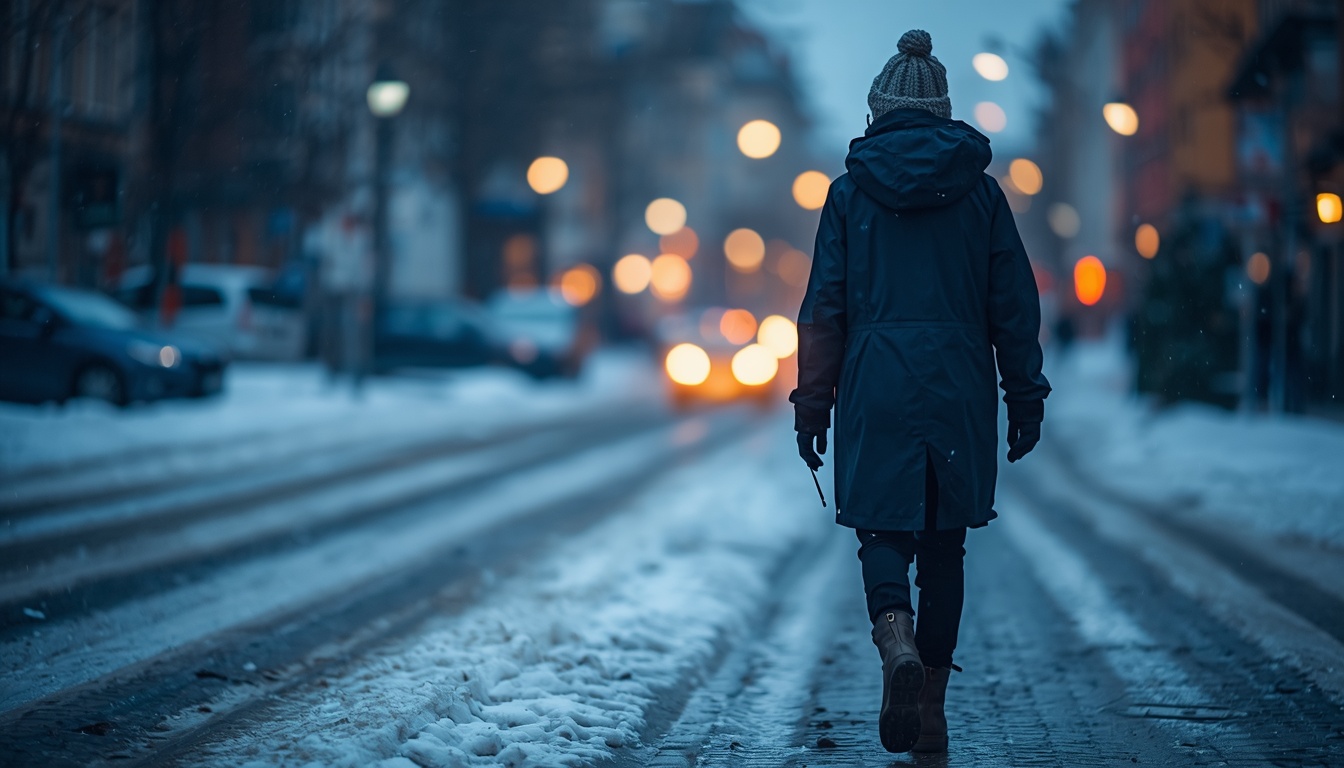
How Cold Does It Get?
Winter temperatures vary a lot by region. These ranges are typical January daytime values, based on general climate patterns. For official figures, check the SMHI climate data for your city.
| Region | Typical winter daytime temperature | Notes |
|---|---|---|
| Malmö / Skåne (far south) | Around 0–5 °C in January, rarely far below −5 °C | Wet, grey and windy more than deeply cold |
| Gothenburg (west coast) | Around 0–3 °C, lots of rain and wind | Damp cold is the main challenge |
| Stockholm and Uppsala (east) | Around −3 to +1 °C, with cold snaps to −10 °C or lower | Snow is common from December to February |
| Norrland and Lapland (north) | Regularly −10 °C or colder | Serious cold gear needed |
Two things matter more than the number on the thermometer. Wind chill makes −5 °C feel much colder on a windy day by the water. Damp cold (a wet 2 °C in Gothenburg) can feel colder than a dry −8 °C in Stockholm, because wet clothes lose their insulation.
What I Wish I Had Known in My First Winter
My first Swedish winter taught me that the cold itself was manageable. What hurt was wet feet and a wind that got through my clothes on the way to the metro. The two purchases that changed everything were a proper waterproof winter jacket and a pair of waterproof winter boots with a deep grip sole. If I were starting again, I would buy those two items before anything else, and I would treat everything else on this list as a bonus.
The Layering System
Layering works because you can add or remove a layer as you move between a cold street, a heated office, and a crowded bus.
1. Base layer (next to skin)
- Merino wool tops and leggings are the best choice. They stay warm when slightly damp and don't hold smells.
- Synthetic thermal underwear (polyester or polypropylene) is a cheaper alternative and dries fast.
- Avoid cotton as your base layer. Once it gets damp from sweat or snow, it stops insulating and keeps the cold against your skin.
2. Middle layer (insulation)
- A fleece or a wool sweater, ideally in a fitted cut so it fits under your jacket.
- A down or synthetic insulated vest or jacket also works well as a mid-layer on the coldest days.
3. Outer shell (wind and water)
- A windproof and waterproof jacket is the most important purchase you'll make. Look for taped seams and a hood that fits over a hat.
- Choose a length that covers your hips or seat, because Swedish sleet and slush land there first.
- A parka with an insulated lining works for Stockholm and the north. In Malmö and Gothenburg, a lighter waterproof shell over a fleece is often enough.
Footwear: The Thing That Matters Most
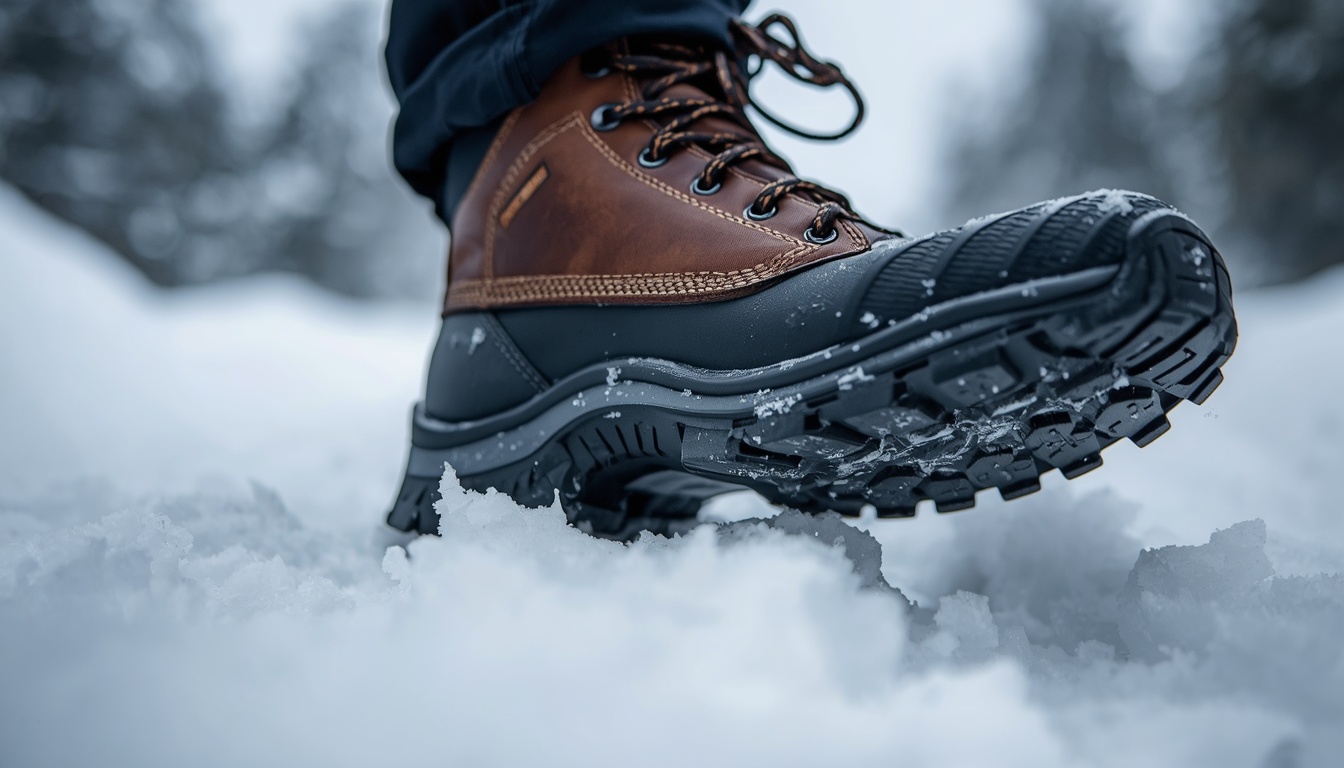
Cold feet ruin a winter faster than anything else. Swedish sidewalks are often icy, slushy or salted, so footwear needs three things:
- Waterproof uppers, with a membrane or a treated leather that keeps out slush.
- Insulation, typically 200 g or more for Stockholm and the north. Thinner boots are fine for Malmö.
- Grip: a deep lug sole with a rubber compound that stays soft in the cold. Smooth city boots can be dangerous on ice.
Many Swedes wear vinterskor (winter shoes) with spikes or removable grips. Ice cleats that slip over your boots are a cheap and very practical addition, especially for walking to the metro or a bus stop after dark.
Bring a spare pair of indoor shoes or slippers too. Swedish homes and offices are kept warm, and wet boots are a common complaint in the first winter.
Hats, Gloves and Scarves
- Hat: a warm wool or fleece hat that covers your ears. Much of your body heat escapes through your head and neck.
- Scarf or neck gaiter: a thick scarf or a fleece neck tube protects your face from wind.
- Gloves: a windproof outer glove with a thin liner works best. Touchscreen-friendly fingertips are useful for paying and using your phone at the bus stop.
- Ear protection: if a hat doesn't fully cover your ears, use ear warmers.
What Swedes Actually Wear
Swedish people are known for practical winter clothing rather than fashion statements. You'll see:
- Long parkas and padded jackets in dark colours
- Hiking-style boots and winter boots, often with visible grip soles
- Thick knitted hats and scarves
- Layered outfits that look casual but are designed for wind and wet snow
Blending in matters less than staying dry. Nobody will judge you for wearing a practical jacket, and most people will assume you're a local if your boots grip well.
Packing Checklist for Your First Winter
Before the first cold week, check that you have:
- A windproof, waterproof outer jacket with a hood
- A warm insulated layer (parka liner, down or synthetic vest)
- 2–3 merino or synthetic base layers and leggings
- Two warm middle layers (fleece or wool)
- Waterproof winter boots with a good grip sole
- Ice cleats or grips for your boots
- Warm hat, scarf or neck gaiter, and windproof gloves
- Indoor shoes or slippers
- An umbrella only if you must. A proper hood is more useful in Swedish wind
Buy the jacket and boots first. You can wait on everything else until you've seen a few weeks of weather.
Where to Buy Winter Clothing in Sweden
| Where | Best for | Trade-off |
|---|---|---|
| Outdoor specialist shops | Stockholm and the north, serious cold, proper boots | Highest prices, but staff know Swedish conditions |
| General clothing chains | Malmö and Gothenburg, a first winter on a budget | Thinner insulation, less wind protection |
| Second-hand shops and marketplaces | Good-quality jackets and boots at lower prices | You need to check condition and waterproofing yourself |
We don't quote specific prices here, because they change every season and vary a lot between brands. In general, a good waterproof winter jacket costs noticeably more than a basic one, and a good pair of winter boots costs more again. Compare the specs (waterproof rating, insulation weight, sole grip) before you compare prices.
Shopping for a jacket in late autumn, just before the first cold weeks, usually gives you the best choice.
Dressing for Dark Days
The biggest challenge in Swedish winter isn't only the cold. Around the December solstice, Stockholm gets only about six hours of daylight, and the sun sets before most people finish work. Dark conditions make reflective and light-coloured clothing a sensible choice. A reflective strip or light on a bag or jacket helps you be seen by drivers and cyclists in the dark.
Many people find that dressing properly, going outside daily and getting some light in the morning helps them cope with the dark months. For more on the mood side of winter, see our guide to winter depression in Sweden.
Frequently Asked Questions
What is the best way to dress for a Swedish winter?
Use three layers: a merino or synthetic base layer, a fleece or wool middle layer, and a windproof, waterproof outer shell. Add insulated, waterproof boots with a good grip, plus a hat, gloves and a scarf. The layers can be adjusted as you move between cold outdoors and warm indoor spaces.
Do I need a heavy winter coat in Stockholm?
Yes, for most of the winter. Stockholm regularly has cold snaps below −10 °C, and wind off the water makes the air feel colder. A padded or insulated parka is worth buying for December to February. In Malmö or Gothenburg, a waterproof shell over a warm fleece is often enough.
What kind of shoes are best for Swedish winter?
Waterproof winter boots with an insulated lining and a deep, grippy rubber sole. Ice cleats or spikes are a practical addition for icy pavements. Avoid smooth leather city shoes, which are slippery on ice and let in slush.
Is it better to buy winter clothes in Sweden or bring them from home?
Buy the big items (a windproof jacket and proper boots) in Sweden if you can, because you'll know the local conditions and can try them on in the weather you'll wear them in. Bring base layers and fleece from home if you already own them and they fit well. Many newcomers buy the rest after their first cold week, when they know what they're missing.
What do Swedes wear in the snow?
Practical, insulated and waterproof clothing. You'll see long parkas, hiking-style boots, knitted hats and scarves, and layered outfits designed for wind and wet snow rather than fashion. Practical gear is the norm, and no one will expect you to dress up for a winter walk.
How do I stop my feet getting cold in Sweden?
Choose insulated boots rated for winter, wear a thin merino sock under a thicker wool sock, and keep a dry spare pair of socks for work. Bring indoor shoes so you can change out of wet boots when you arrive. Avoid cotton socks, which hold moisture.
Vad ska man ha på sig på vintern i Sverige?
Klä dig i lager: ett underställ i ull eller syntet, ett varmt mellanlager (fleece eller ullstickat) och ett vind- och vattentätt ytterlager. Ha med dig varma vinterskor med bra grepp, mössa, halsduk och vantar. Se till att kläderna är bekväma när du går ut i blåsigt väder.
Related Reading
Getting settled in Sweden involves more than the weather. These guides cover the rest of your first months:
- Moving to Sweden checklist: everything to organise before and after arrival
- Things to know before moving to Sweden: the practical surprises most newcomers hit first
- Daily life in Sweden as an expat: routines, shopping, and what a normal week looks like
- Public transport costs in Sweden: how winter commuting adds up
- Renting an apartment in Sweden: the rental process, including what to check for heating and drafts
- Swedish social norms: what to expect from everyday interactions, including the famous quiet on the bus
Planning ahead for your first winter? Start with the moving to Sweden checklist and buy your winter jacket and boots before the first snow arrives.
Plan Your Finances in Sweden
Use our free tools to calculate your salary and plan your budget.
Disclaimer
The information on this website is for general informational purposes only. While we strive for accuracy, statistics and regulations change frequently. For the most up-to-date information, please visit official sources such as Skatteverket, Migrationsverket, and Statistics Sweden (SCB).
This website may contain affiliate links. If you make a purchase through these links, we may earn a small commission at no additional cost to you. This helps support the free tools and content we provide.
Advertisement
Found this helpful?
Share it with others who might find it useful.